
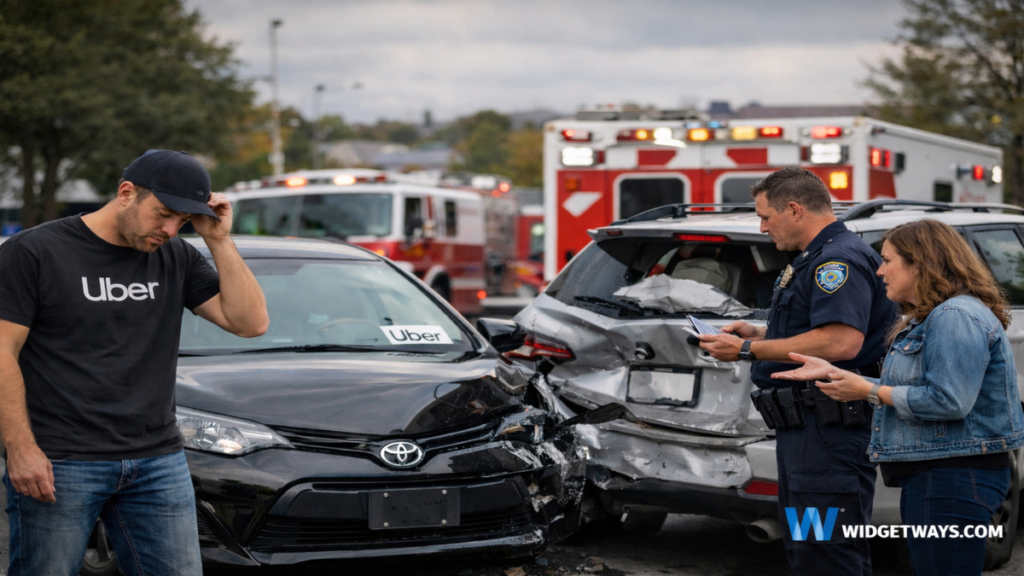

I often notice that rideshare accidents create confusion about who is actually responsible for damages and injuries. When an Uber vehicle is involved in a crash, liability may not always fall directly on the main driver. In some situations, a backup driver may be operating the vehicle or assisting in the rideshare service. When such a driver causes an accident, determining liability becomes more complex because several parties may potentially be responsible, including the backup driver, the primary driver, Uber as a platform, or insurance providers.
Understanding how Uber backup driver liability works helps passengers, drivers, and accident victims know their rights and legal options. Liability in rideshare accidents depends on factors such as driver authorization, insurance coverage, employment status, and whether the ride was active at the time of the crash. Because rideshare companies operate differently from traditional taxi services, their liability structure also differs.
In this article, I will explain in detail what a backup driver is, how liability is determined when such a driver causes an accident, what insurance policies apply, and what victims should know when filing claims.
Understanding the Role of a Backup Driver in Uber
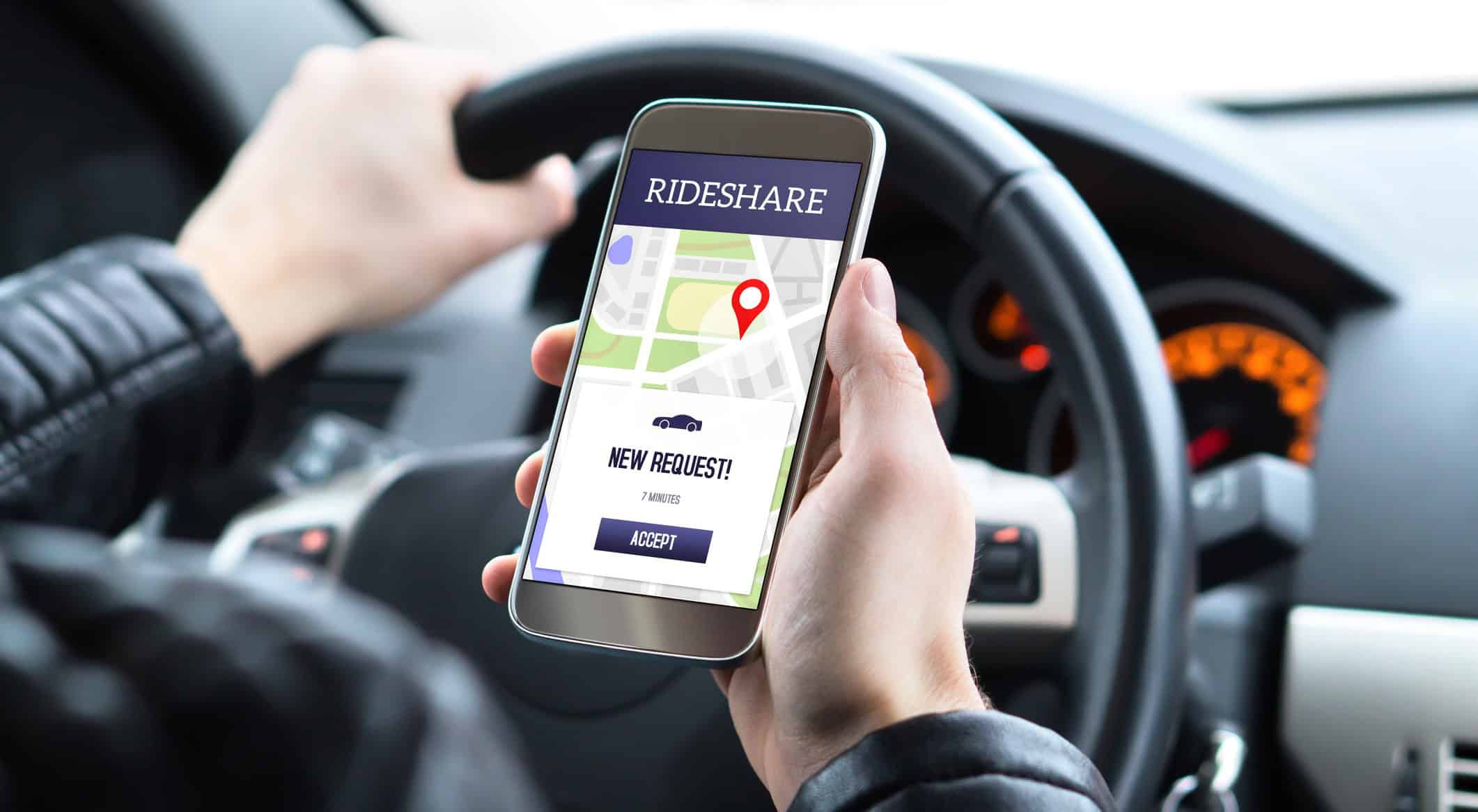
A backup driver generally refers to someone who operates a rideshare vehicle temporarily instead of the primary registered driver. Although Uber normally requires the approved account holder to drive, situations sometimes occur where another driver takes control of the vehicle.
These circumstances may include:
- A secondary driver using the same vehicle for rideshare services
- A temporary substitute driver assisting during long shifts
- A co-driver sharing the vehicle for extended work hours
- Unauthorized drivers operating under another account
Uber policies usually require every driver to be individually approved through background checks and verification. If a backup driver operates the vehicle without authorization, it may violate Uber’s terms of service.
Key Characteristics of a Backup Driver
| Factor | Explanation |
|---|---|
| Authorization | Must be approved by Uber to drive legally under the platform |
| Account Holder | The original driver who owns the Uber account |
| Vehicle Ownership | Often owned by the primary driver |
| Insurance Coverage | Depends on Uber’s policy status during the trip |
| Legal Responsibility | Determined based on driver status and accident circumstances |
If a backup driver is not officially registered, liability issues become significantly more complicated.
How Uber Classifies Drivers and Their Responsibility
One important factor in determining liability is how Uber legally classifies its drivers.
Uber considers drivers to be independent contractors, not employees. This distinction plays a major role in accident liability.
Differences Between Contractors and Employees
| Classification | Meaning | Liability Impact |
|---|---|---|
| Independent Contractor | Driver works independently using the platform | Uber often limits direct responsibility |
| Employee | Company directly employs and supervises worker | Company may be liable for accidents |
| Unauthorized Driver | Someone using another driver’s account | Insurance and liability may be denied |
Because drivers are contractors, Uber typically argues that the driver is responsible for accidents, not the company.
However, liability may still extend to Uber under certain conditions.
When a Backup Driver Causes an Accident

If a backup driver causes a crash while driving an Uber vehicle, liability depends on several key factors.
Important Questions Investigators Consider
- Was the driver authorized by Uber?
- Was the driver logged into the Uber app?
- Was a passenger inside the vehicle?
- Was the driver waiting for a ride request?
- Did the driver violate traffic laws?
These details determine which insurance policy applies and who may be legally responsible.
Possible Liability Scenarios
| Scenario | Liability Outcome |
|---|---|
| Authorized driver with active trip | Uber insurance may cover damages |
| Authorized driver waiting for ride | Limited Uber insurance coverage |
| Driver offline from Uber app | Personal insurance applies |
| Unauthorized backup driver | Insurance coverage may be denied |
This is why accident investigations focus heavily on driver authorization and trip status.
Uber Insurance Coverage During Accidents
Uber provides a tiered insurance system depending on the driver’s activity at the time of the accident.
Period 1: Driver Logged In Without Passenger
When the driver is waiting for a ride request, Uber typically provides limited coverage.
| Coverage Type | Amount |
|---|---|
| Bodily Injury per Person | $50,000 |
| Bodily Injury per Accident | $100,000 |
| Property Damage | $25,000 |
However, this coverage may not apply if an unauthorized backup driver was operating the vehicle.
Period 2: Driver En Route to Pick Up Passenger
Once the driver accepts a ride request, Uber increases coverage significantly.
| Coverage Type | Amount |
|---|---|
| Liability Coverage | Up to $1 million |
| Uninsured Motorist Coverage | Up to $1 million |
| Contingent Collision Coverage | Available depending on driver policy |
If a backup driver was authorized under Uber’s system, this insurance may apply.
Period 3: Passenger Inside the Vehicle
When a passenger is actively in the car, Uber’s highest insurance coverage applies.
| Coverage | Amount |
|---|---|
| Third-Party Liability | Up to $1 million |
| Passenger Injury Coverage | Included |
| Uninsured Motorist Protection | Up to $1 million |
However, if a backup driver was unauthorized, Uber may deny responsibility.
Legal Liability of the Backup Driver

The backup driver can be held personally liable if they caused the accident due to negligence.
Common examples of negligent behavior include:
- Distracted driving
- Speeding
- Running red lights
- Driving under the influence
- Reckless driving
Legal Consequences for Backup Drivers
| Consequence | Description |
|---|---|
| Civil Liability | Responsible for damages and medical costs |
| Insurance Claims | Personal policy may need to pay |
| Legal Lawsuits | Victims may sue for compensation |
| Criminal Charges | Possible if laws were violated |
If the driver was not authorized by Uber, they may face full financial responsibility.
Liability of the Primary Uber Account Holder
In some cases, the primary driver whose account was used may also face legal consequences.
This situation arises if the account holder knowingly allowed another driver to use their Uber account.
Possible Account Holder Liability
| Situation | Outcome |
|---|---|
| Allowed unauthorized driver | May share responsibility |
| Vehicle owner negligence | Liability may increase |
| Insurance misrepresentation | Policy may be voided |
| Violation of Uber terms | Account suspension |
Courts may consider the account holder responsible for negligent entrustment, meaning they allowed someone unsafe to drive the vehicle.
Can Uber Be Held Responsible for Backup Driver Accidents?
Uber generally tries to limit its liability by classifying drivers as independent contractors. However, there are situations where Uber may still face responsibility.
Cases Where Uber Might Be Liable
- Failure to properly screen drivers
- App malfunction contributing to accident
- Platform negligence
- Misclassification of drivers
- Insurance policy obligations
Some lawsuits have argued that rideshare companies exercise enough control over drivers to share responsibility.
Compensation Available to Accident Victims
People injured in an Uber accident caused by a backup driver may seek compensation through several legal avenues.
Possible Damages
| Type of Damage | Description |
|---|---|
| Medical Expenses | Hospital bills, surgeries, rehabilitation |
| Lost Wages | Income lost due to injury |
| Property Damage | Vehicle repairs or replacement |
| Pain and Suffering | Emotional and physical distress |
| Long-Term Disability | Permanent injury compensation |
The amount of compensation often depends on the severity of injuries and insurance coverage.
Steps to Take After an Uber Accident
If you are involved in an accident caused by a rideshare driver, taking the right steps is important.
Immediate Actions
- Ensure safety and call emergency services
- Seek medical attention
- Document the accident scene
- Collect driver and vehicle information
- Report the accident to Uber through the app
Evidence That May Help Your Claim
| Evidence Type | Importance |
|---|---|
| Photos of accident | Shows vehicle damage |
| Police report | Official documentation |
| Medical records | Proof of injury |
| Witness statements | Supports liability claim |
| Uber trip records | Confirms ride status |
Proper documentation significantly strengthens legal claims.
Legal Challenges in Backup Driver Accident Cases
Uber accident cases involving backup drivers can be legally complicated because multiple parties may be involved.
Common Legal Challenges
- Determining driver authorization
- Insurance coverage disputes
- Identifying the responsible party
- Corporate liability arguments
- Evidence collection difficulties
These complexities often require legal professionals specializing in rideshare accident law.
Preventing Rideshare Driver Liability Issues
Both drivers and passengers can reduce risks by understanding rideshare policies.
Safety Tips for Drivers
- Only approved drivers should operate the Uber account
- Follow all traffic laws
- Maintain vehicle safety
- Avoid driver fatigue
- Keep proper insurance coverage
Safety Tips for Passengers
- Confirm driver identity before entering vehicle
- Check license plate and driver photo
- Report suspicious driver activity
- Use in-app safety features
These steps help ensure safer rideshare experiences.
Conclusion
When a backup driver causes an accident while operating an Uber vehicle, liability depends on several factors such as driver authorization, ride status, and insurance coverage. The backup driver may be personally responsible for damages if negligence caused the crash, especially if they were not officially approved by Uber.
In some cases, the primary account holder or Uber’s insurance policies may also become involved in covering damages. However, the legal process can be complicated because rideshare companies classify drivers as independent contractors.
Understanding how rideshare liability works helps accident victims pursue fair compensation and helps drivers avoid legal risks. As rideshare services continue to grow, knowing the legal responsibilities associated with Uber driving becomes increasingly important for both drivers and passengers.
Read: Driver’s License Suspension in Landes Explained
FAQs
1. Who is responsible if a backup Uber driver causes an accident?
Responsibility usually falls on the driver who caused the crash, but liability may also involve the primary account holder or Uber insurance depending on the situation.
2. Does Uber insurance cover accidents caused by backup drivers?
Uber insurance may apply if the backup driver is authorized and the trip was active, but unauthorized drivers may not be covered.
3. Can passengers sue Uber after an accident?
Passengers may file claims against Uber insurance and potentially pursue lawsuits depending on negligence and liability factors.
4. What happens if an unauthorized driver was using the Uber account?
Insurance coverage may be denied, and both the unauthorized driver and account holder could face legal consequences.
5. How much insurance coverage does Uber provide during rides?
Uber typically provides up to $1 million in liability coverage during active rides with passengers in the vehicle.