
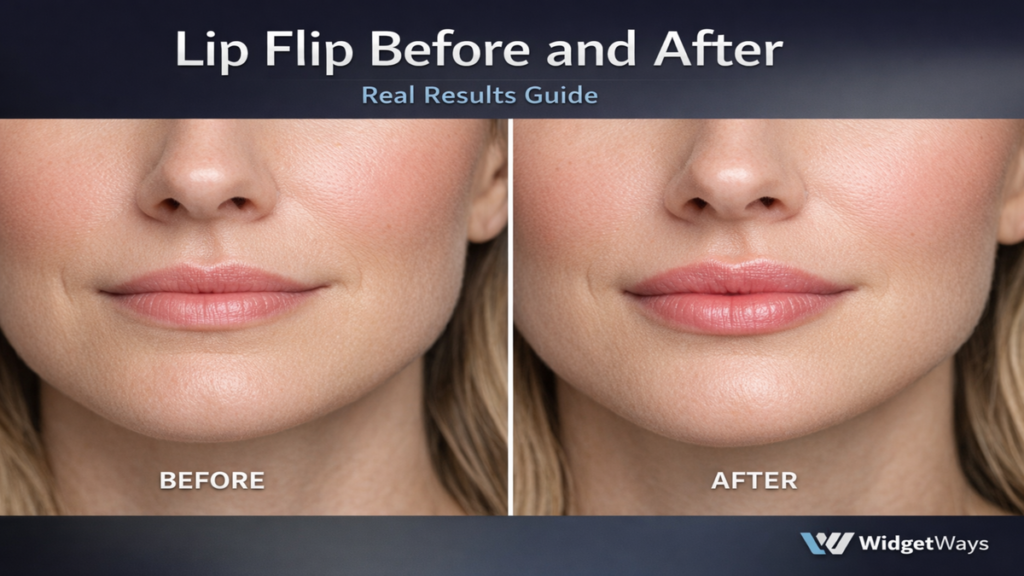

I’ve noticed that one of the most searched cosmetic questions today is simple but revealing: what does a lip flip look like before and after? The answer lies not in dramatic transformation but in subtle enhancement. A lip flip uses small doses of botulinum toxin to relax the muscles around the upper lip, allowing it to roll slightly outward. The result is the illusion of a fuller lip without adding volume.
Unlike dermal fillers, which physically increase lip size, a lip flip changes how the lip sits. Before the procedure, many patients describe a thinner upper lip that disappears when smiling. Afterward, the upper lip appears more visible, especially at rest and during expression. The effect is nuanced, often noticeable more in motion than in static images.
This understated transformation has fueled its rise in popularity. According to the American Society of Plastic Surgeons (2022), minimally invasive procedures, including botulinum toxin injections, have grown steadily over the past decade.
The appeal is clear: low cost, minimal downtime, and temporary results. But the lip flip is not without limitations. Results vary based on anatomy, technique, and expectations. Understanding the before-and-after reality requires more than social media images. It demands a closer look at how the procedure works, what it achieves, and where it falls short.
What Is a Lip Flip and How It Works
I see the lip flip as a procedure rooted in restraint. It uses small amounts of botulinum toxin, commonly known under brand names like Botox, injected into the orbicularis oris muscle. This muscle encircles the mouth and controls lip movement.
By relaxing specific fibers, the upper lip gently rolls outward. It does not add volume, reshape the lip dramatically, or affect the lower lip. The change is subtle but strategic.
Dr. Melissa Doft, a board-certified plastic surgeon, explains, “A lip flip is ideal for patients who want a more visible upper lip without the fullness of fillers” (Doft, 2021).
The procedure typically takes less than 15 minutes and requires no anesthesia beyond optional topical numbing. Effects begin to appear within a few days and peak around two weeks.
What distinguishes the lip flip is its focus on muscle behavior rather than structural augmentation. It is less about building and more about revealing.
Before and After: What Actually Changes
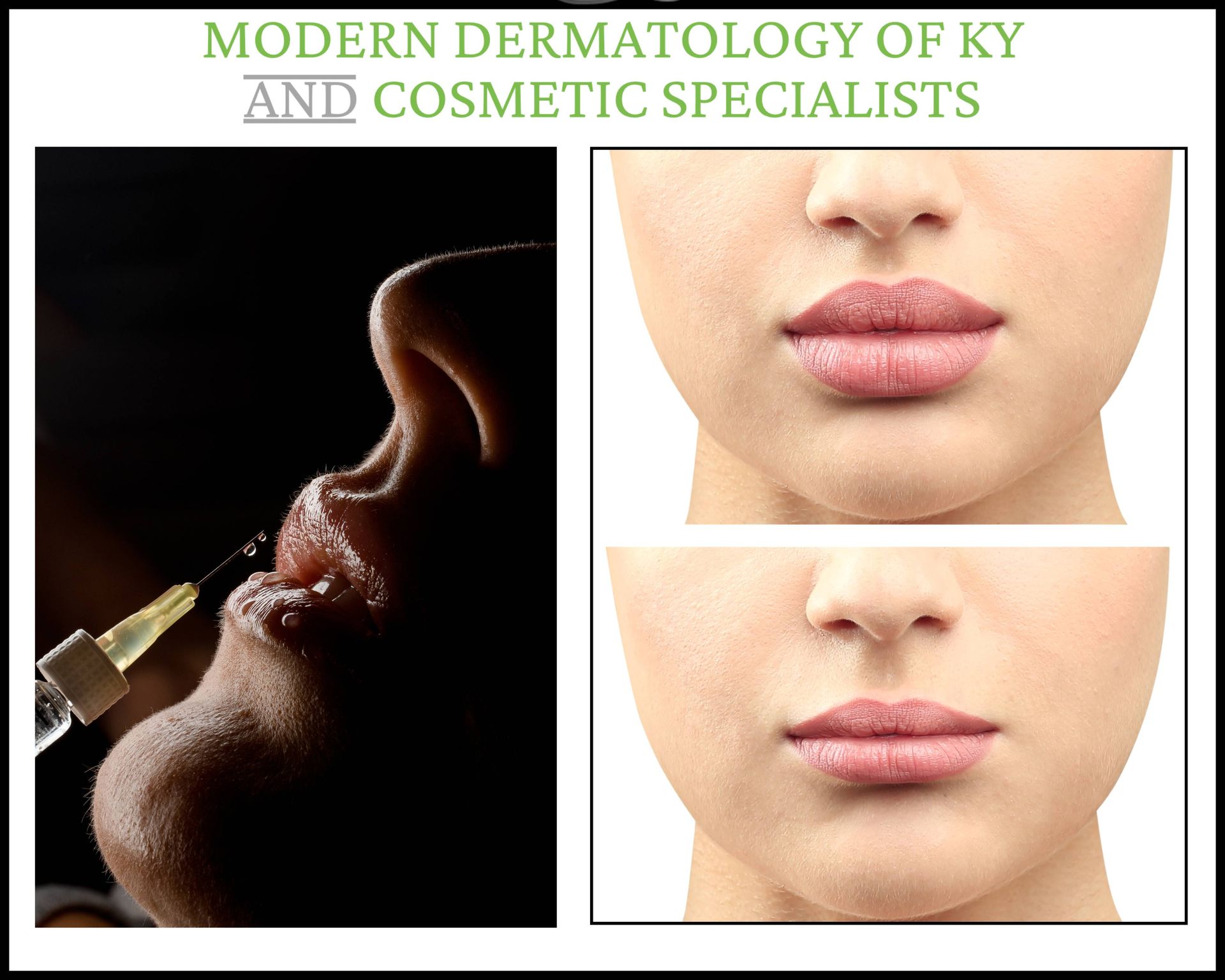
I’ve found that the most accurate way to understand a lip flip is to focus on movement. Before the procedure, the upper lip may curl inward when smiling, making it appear thinner or nearly invisible. After the procedure, that inward pull is softened.
The visible differences include:
- Increased upper lip show at rest
- Reduced gum exposure when smiling
- A more balanced lip proportion
- Slightly enhanced lip border definition
However, the change is often understated. Patients expecting dramatic volume may feel underwhelmed.
Dr. Dara Liotta notes, “The lip flip is not a substitute for filler. It’s a refinement, not a transformation” (Liotta, 2020).
Lighting, angles, and facial expression significantly influence before-and-after comparisons. Static images rarely capture the full effect.
Lip Flip vs Lip Fillers: A Clear Distinction
I’ve noticed confusion between lip flips and fillers, but the two serve entirely different purposes.
Key Differences Between Lip Flip and Fillers
| Feature | Lip Flip | Lip Fillers |
|---|---|---|
| Method | Muscle relaxation (Botox) | Volume injection (hyaluronic acid) |
| Result | Subtle outward roll | Increased lip size |
| Duration | 6–8 weeks | 6–12 months |
| Cost | Lower | Higher |
| Best For | Thin upper lip visibility | Fullness and shape enhancement |
Fillers, often made of hyaluronic acid, physically expand the lips. The lip flip, by contrast, alters muscle dynamics.
The choice depends on goals. Some patients even combine both procedures for a layered effect.
Timeline: From Injection to Final Results
I’ve seen that understanding the timeline helps manage expectations. The lip flip is not immediate.
Lip Flip Results Timeline
| Timeframe | What Happens |
|---|---|
| Day 0 | Injection performed |
| Days 2–4 | Initial muscle relaxation begins |
| Days 7–10 | Noticeable lip eversion |
| Week 2 | Peak results |
| Weeks 6–8 | Effects gradually fade |
The short duration is both a benefit and a limitation. It allows flexibility but requires maintenance.
According to the American Board of Cosmetic Surgery (2021), botulinum toxin effects typically last several weeks depending on dosage and metabolism.
Who Is the Ideal Candidate
I’ve learned that not everyone benefits equally from a lip flip. Ideal candidates share specific characteristics.
Those with a thin upper lip that disappears when smiling often see the most noticeable improvement. Patients seeking subtle enhancement rather than volume are also strong candidates.
However, individuals with already full lips may see minimal change. Similarly, those expecting dramatic results may be better suited for fillers.
Dr. Lara Devgan explains, “The best candidates are those who want refinement, not augmentation” (Devgan, 2021).
Medical history also matters. Pregnant individuals or those with certain neuromuscular conditions are typically advised against botulinum toxin treatments.
Risks, Side Effects, and Limitations

I always consider the risks alongside the benefits. While generally safe, the lip flip is not risk-free.
Common side effects include:
- Mild swelling or bruising
- Temporary difficulty drinking through a straw
- Slight changes in speech or lip control
These effects are usually temporary and resolve within days or weeks.
The most notable limitation is functional. Because the procedure relaxes the lip muscle, some patients experience reduced control of the upper lip.
The U.S. Food and Drug Administration (FDA) has approved botulinum toxin for various cosmetic uses, but precise placement is critical to avoid complications (FDA, 2022).
Choosing an experienced provider significantly reduces risk.
Cultural Influence and the Rise of Subtle Aesthetics
I’ve observed a shift in beauty standards toward subtlety. The lip flip fits neatly into this trend.
Social media once favored dramatic transformations. Today, there is growing interest in “natural” enhancements. The lip flip aligns with this aesthetic by offering change without obvious intervention.
The global minimally invasive cosmetic market has expanded rapidly. According to the International Society of Aesthetic Plastic Surgery (2022), non-surgical procedures now dominate cosmetic treatments worldwide.
This shift reflects changing attitudes. Patients increasingly seek enhancements that preserve individuality rather than alter identity.
Cost and Accessibility
I’ve noticed that cost plays a major role in the lip flip’s popularity. It is significantly more affordable than fillers.
Prices typically range from $50 to $200, depending on location and provider expertise. This lower barrier to entry makes it accessible to a broader audience.
However, the shorter duration means recurring treatments are necessary for maintenance.
Accessibility also depends on availability of qualified practitioners. Urban centers tend to offer more options, while rural areas may have limited access.
Managing Expectations: The Psychological Dimension
I believe the most important aspect of any cosmetic procedure is expectation management. The lip flip is subtle by design.
Patients expecting dramatic change may feel dissatisfied, even if the procedure is technically successful. Clear communication with providers is essential.
Dr. Heidi Waldorf emphasizes, “The happiest patients are those who understand what the procedure can and cannot do” (Waldorf, 2020).
Before-and-after photos can be misleading if not interpreted carefully. Lighting, angles, and editing can exaggerate results.
A realistic mindset leads to a more positive experience.
Takeaways
- A lip flip enhances the upper lip’s visibility without adding volume
- Results are subtle and most noticeable during facial movement
- Effects appear within days and last about 6–8 weeks
- It differs significantly from lip fillers in method and outcome
- Ideal candidates seek refinement rather than dramatic change
- Risks are minimal but include temporary muscle weakness
- Proper expectations are key to satisfaction
Conclusion
I’ve come to see the lip flip as a reflection of where cosmetic medicine is heading. It is precise, minimal, and rooted in subtle enhancement rather than transformation. The before-and-after journey is not about becoming someone new but about revealing what is already there.
This shift mirrors a broader cultural movement. Beauty is no longer defined by exaggeration but by balance and authenticity. The lip flip fits into this narrative by offering change that feels almost invisible yet undeniably present.
For those considering the procedure, the most important step is understanding its limits. It is not a shortcut to fuller lips but a tool for refinement. When approached with clarity and realistic expectations, it can be a satisfying and low-commitment option.
In the end, the true transformation may not be in the mirror but in the way subtle changes reshape confidence.
Read: Peptides for Weight Loss in 2026: Separating Hype from What Clinical Data Truly Shows
FAQs
How long does a lip flip last?
A lip flip typically lasts 6 to 8 weeks, depending on metabolism and dosage. Maintenance treatments are required for continued results.
Is a lip flip painful?
The procedure involves minimal discomfort. Most patients describe it as a quick pinch, and numbing cream is often optional.
Can a lip flip replace fillers?
No. A lip flip does not add volume. It only changes how the upper lip sits, creating the illusion of fullness.
Are the results immediate?
No. Results begin appearing within a few days and reach full effect around two weeks after treatment.
Is there downtime after a lip flip?
There is little to no downtime. Patients can resume normal activities immediately, though minor swelling or bruising may occur.
References
American Board of Cosmetic Surgery. (2021). Botox and cosmetic injectables overview. https://www.americanboardcosmeticsurgery.org
American Society of Plastic Surgeons. (2022). Plastic surgery statistics report. https://www.plasticsurgery.org
Devgan, L. (2021). Lip flip vs filler explained. https://laradevganmd.com
Doft, M. (2021). Botox lip flip procedure insights. https://www.doftplasticsurgery.com
Food and Drug Administration. (2022). Botulinum toxin cosmetic use safety information. https://www.fda.gov
International Society of Aesthetic Plastic Surgery. (2022). Global survey on aesthetic procedures. https://www.isaps.org
Liotta, D. (2020). Understanding subtle lip enhancement techniques. https://darraliotta.com
Waldorf, H. (2020). Patient expectations in cosmetic dermatology. https://www.mountsinai.org